
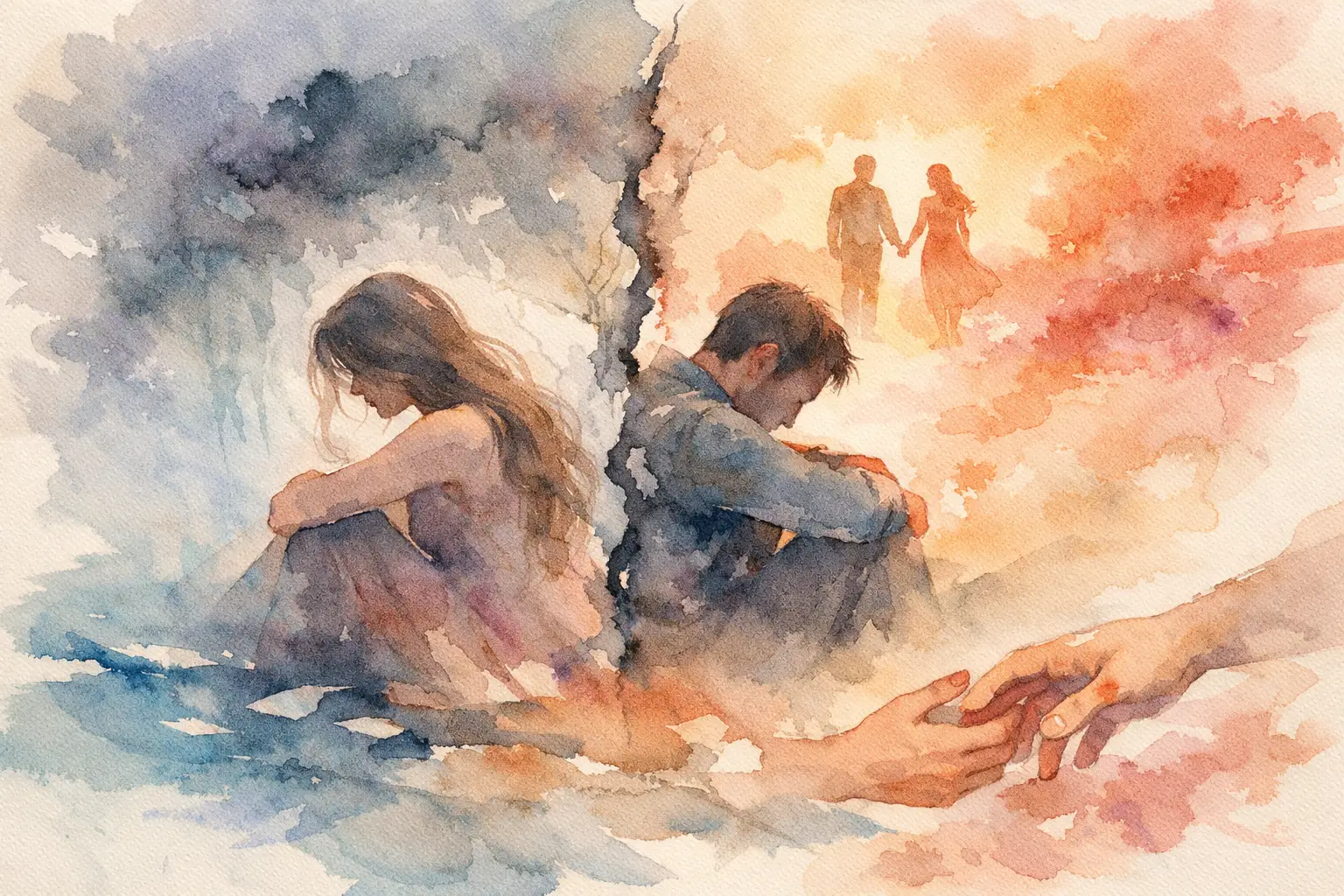
A partner cancels plans at short notice, speaks in a sharper tone than usual, or needs an evening alone. For many people, these ordinary moments pass quickly. For someone who has lived through trauma, they can trigger a powerful fear of rejection, danger or abandonment. The reaction may feel confusing to both people involved. So, does trauma affect relationships? It can, often in ways that are deeply personal and not always obvious.
Trauma is not only about what happened in the past. It is also about how the mind and body learned to protect a person from what happened. When experiences such as abuse, neglect, violence, loss, accidents, betrayal or ongoing stress have left someone feeling unsafe, close relationships can become harder to navigate. This does not mean a relationship is doomed, or that a person is incapable of love. It means that safety, trust and communication may need more care and support.
How does trauma affect relationships?
Trauma can affect the way a person interprets another person’s words, behaviour and availability. A delayed reply to a message may feel like being ignored. A disagreement may feel less like a difference of opinion and more like a threat. Physical affection may be comforting one day and overwhelming the next.
These responses are not usually deliberate. They can arise because the nervous system has become used to scanning for signs of danger. Even in a caring relationship, the body may react before the person has had time to think through what is actually happening.
Trust can feel risky
Trust asks us to be vulnerable. For someone who has been betrayed, controlled, abused or repeatedly let down, vulnerability may feel unsafe. They may keep emotional distance, struggle to share their feelings, check for reassurance frequently, or expect the relationship to end.
Their partner may experience this as mistrust or rejection, particularly if they do not understand the history behind it. Yet the behaviour is often a protective strategy rather than a judgement of the person they are with.
Conflict can trigger a survival response
Every couple disagrees. Trauma can make ordinary conflict much more intense, because raised voices, silence, criticism or a change in expression may bring back the emotional experience of earlier harm. A person may shut down, become highly anxious, leave the room, become defensive or feel unable to speak.
This can create a difficult cycle. One partner may seek an immediate resolution, while the other needs space to calm their nervous system. Neither need is wrong, but without understanding, both people can feel unheard.
Closeness may be wanted and feared
Many trauma survivors want connection but find it difficult to relax into it. They may be affectionate and open at times, then pull away when the relationship begins to feel especially important. This is sometimes described as an approach-and-avoid pattern: closeness brings comfort, but it may also awaken fears of being hurt, controlled or left.
Intimacy can be affected too. Sexual trauma, body shame, medical trauma or experiences of coercion may make physical closeness emotionally complicated. Pressure, even when unintended, can increase distress. Patient conversations, clear consent and respect for boundaries are essential.
Trauma affects both people in a relationship
When one person is living with the effects of trauma, their partner can also feel anxious, helpless or worn down. They may begin to monitor their words carefully, take withdrawal personally, or feel they must fix things. Over time, this can lead to resentment or loneliness on both sides.
It helps to remember that understanding trauma does not mean accepting harmful behaviour. Everyone remains responsible for how they treat another person. Trauma may explain why someone reacts strongly, but it does not excuse intimidation, manipulation, violence or abuse. A relationship must be safe for both people.
It also matters that trauma looks different from person to person. Some people become quiet and self-reliant. Others become highly alert to changes in mood or need frequent reassurance. Some feel numb, while others experience anger, panic, nightmares or intrusive memories. There is no single relationship pattern that proves trauma is present.
What can help a relationship feel safer?
Healing is rarely about finding the perfect words or avoiding every trigger. It is more often about creating enough safety for honest conversations, repair after difficult moments and gradual trust. Small, consistent actions tend to matter more than grand promises.
Name the pattern without blaming
Instead of saying, “You always overreact,” it can be more helpful to say, “I can see this feels frightening. Can we slow down and work out what is happening?” The aim is not to diagnose a partner or turn every disagreement into a discussion about the past. It is to separate the person from the protective response.
The person affected by trauma may also find it useful to identify what they need in those moments. Perhaps they need ten minutes alone, a calm voice, reassurance that the conversation will continue, or no physical contact until they ask for it. Clear requests can reduce guesswork for both partners.
Build predictability where possible
Consistency can help the nervous system learn that the present is different from the past. Keeping agreements, communicating about changes to plans and following through after an argument can all build trust over time.
This does not mean a partner must become constantly available or give up their own needs. Healthy reassurance has boundaries. For example, agreeing to send a message if plans change may be supportive, while being expected to respond immediately at all hours may not be sustainable. The right balance depends on the couple and should leave room for both people to have independence.
Learn to pause and repair
When emotions are high, trying to solve everything immediately can make matters worse. A planned pause can be helpful if it includes a clear return point, such as agreeing to speak again after dinner or the following morning. This is different from walking away without explanation, which may intensify fears of abandonment.
Repair matters after conflict. A genuine apology, acknowledgement of what was difficult and a conversation about what to do differently next time can restore connection. Couples do not need to avoid all disagreements to be secure. They need ways to handle them without causing further harm.
When therapy can make a difference
Some trauma responses are difficult to shift through insight and goodwill alone. If memories, panic, emotional numbness, anger, sleep problems or avoidance are affecting daily life and the relationship, individual trauma therapy can offer a focused space to understand and process what is happening.
Approaches such as EMDR therapy may help some people process distressing memories so that they feel less overwhelming in the present. Counselling can also support self-esteem, boundaries, grief, anxiety and patterns formed in earlier relationships. The most suitable approach depends on the person, their experiences and what feels safe.
Couples therapy can be valuable when both people want to understand the pattern between them. It is not about deciding who is at fault. A skilled therapist can help partners communicate more safely, recognise triggers, express needs clearly and rebuild emotional connection. At Self Horizons, support is available in person and remotely for individuals and couples who need a private, compassionate place to begin.
If the relationship is not safe
A trauma-informed approach should never place responsibility on someone to manage another person’s abuse. If there is coercive control, threats, violence, sexual pressure, stalking or fear of a partner’s reaction, the priority is safety rather than improving communication together. Couples therapy is not always appropriate in these circumstances.
Speaking confidentially with a qualified professional can help someone consider their options and identify support. If there is immediate danger, contact emergency services.
A relationship can bring old wounds into view, but it can also become a place where new experiences of respect, choice and steadiness are possible. With the right support, people can learn that closeness does not have to mean losing themselves, and that being understood can be part of healing.