
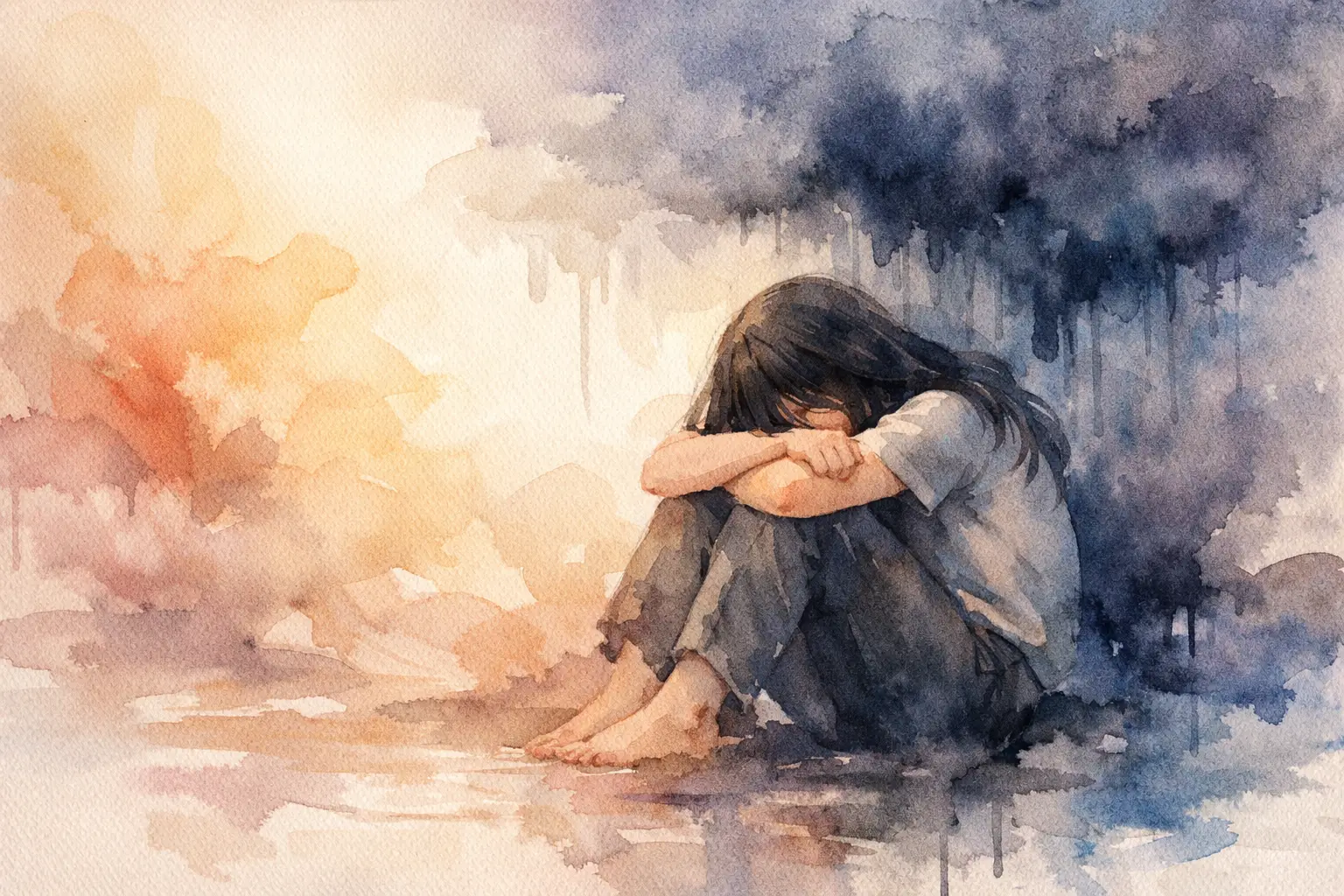
Some people live with a harsh inner voice for years before they realise how much damage it is doing. What starts as low confidence can slowly affect mood, relationships, work, and the way everyday setbacks are interpreted. So, can low self esteem cause depression? It can be a significant contributing factor, although it is rarely the only reason someone becomes depressed.
Low self-esteem and depression are closely linked, but they are not the same thing. A person can have poor self-worth without being clinically depressed, and someone with depression may not have struggled with self-esteem beforehand. Still, when a person consistently believes they are not good enough, unlovable, or bound to fail, that pattern can create the kind of emotional strain that leaves them much more vulnerable to depression.
How low self-esteem affects mental health
Low self-esteem shapes the way a person sees themselves and the world around them. If your internal narrative is constantly critical, even ordinary difficulties can feel like proof that something is wrong with you. A disagreement with a partner becomes evidence that you are too difficult. A mistake at work becomes confirmation that you are inadequate. Over time, this way of thinking can become exhausting.
That exhaustion matters. Depression often grows in environments where hope, energy, and self-belief have been worn down. When someone feels ashamed of who they are, they may withdraw from other people, stop trying new things, or give up on goals that once mattered to them. This can reduce pleasure, confidence, and connection – all of which help protect mental health.
Low self-esteem can also make it harder to ask for help. If you already feel like a burden or believe your feelings do not matter, you may be less likely to speak openly when you are struggling. That silence can deepen isolation, and isolation is often part of how depression takes hold.
Can low self esteem cause depression on its own?
Sometimes people want a simple yes or no answer, but mental health is rarely that tidy. Low self-esteem can contribute to depression, and in some cases it may be one of the main drivers. But depression is usually shaped by several factors at once.
Past experiences often play a part. Bullying, neglect, abuse, criticism in childhood, difficult relationships, trauma, grief, long-term stress, financial pressure, and physical health issues can all affect both self-esteem and depression. For some people, low self-esteem develops first and gradually feeds depression. For others, depression comes first and then damages self-worth.
This is one reason professional support can be so valuable. The question is not only whether low self-esteem causes depression, but how your own experiences, beliefs, and circumstances have combined to affect your mental health now.
Why the link can become a vicious cycle
Once low self-esteem and depression begin to interact, they can reinforce each other. A person who thinks poorly of themselves may start to avoid social situations, challenges, or opportunities because they expect rejection or failure. That avoidance can lead to loneliness, reduced achievement, and fewer positive experiences. As life narrows, mood often drops further.
Depression then adds its own weight. It can reduce motivation, sleep, concentration, and energy. It can also make negative thoughts feel more believable. Someone who is depressed may think, “I knew I was useless,” not because it is true, but because depression filters everything through hopelessness.
This cycle can be hard to break without support because each part appears to confirm the other. Poor self-worth fuels depression, and depression seems to prove poor self-worth right.
Signs that low self-esteem may be affecting your mood
Low self-esteem does not always look obvious from the outside. Some people appear capable and composed while privately feeling deeply inadequate. Others become self-critical in ways that seem like perfectionism, people-pleasing, or constant comparison.
You may notice that you dismiss praise, assume others are judging you, or apologise excessively even when you have done nothing wrong. You might avoid speaking up, second-guess decisions, or feel that your needs are less important than everyone else’s. If these patterns are longstanding, they can slowly affect mood and resilience.
When depression is also present, there may be a deeper and more persistent sense of heaviness. You may lose interest in things you used to enjoy, feel flat or tearful much of the time, struggle to get through the day, or feel hopeless about change. If low self-esteem is feeding those feelings, it often shows up as relentless self-blame and a belief that you do not deserve support.
When it is more than low confidence
Everyone doubts themselves at times. A wobble in confidence after a setback is part of being human. Low self-esteem becomes more serious when it is persistent, deeply rooted, and affects the way you function.
It may be time to look more closely if your self-criticism feels constant, if you regularly put yourself down, or if fear of not being good enough stops you from living fully. If this is happening alongside low mood, hopelessness, withdrawal, or thoughts of worthlessness, the issue may be more than confidence alone.
That does not mean anything is wrong with you as a person. It means the patterns you have had to live with may now need care and attention. Therapy can help make sense of those patterns without judgement.
What therapy can help with
If the answer to “can low self esteem cause depression” feels uncomfortably personal, therapy offers a space to understand what is happening rather than simply trying to push through it. The goal is not to force positive thinking. It is to identify where these beliefs came from, how they are being maintained, and what can begin to change.
A therapeutic approach may explore early experiences, critical relationships, trauma, repeated rejection, or unrealistic expectations you have placed on yourself. It can also help you notice the everyday habits that keep low self-esteem in place, such as harsh self-talk, overthinking, avoidance, or comparing yourself to others.
For some people, the work is about building a more balanced view of themselves. For others, it is about processing painful experiences that shaped their sense of worth in the first place. If depression is present, therapy can support both issues together, because treating mood without addressing self-worth may leave the deeper vulnerability untouched.
At a practice such as Self Horizons, this kind of support can be offered in a way that is both professional and approachable, whether someone prefers face-to-face sessions or remote therapy from home.
Small changes matter, but support matters too
There are helpful things you can do for yourself if low self-esteem is affecting your mental health. Paying attention to self-critical thoughts, reducing comparison, setting realistic expectations, and spending time with people who are kind and steady can all make a difference. So can better sleep, routine, movement, and a little more honesty about how you are really feeling.
But it is worth saying clearly that self-help has limits. If low self-esteem has been present for years, or if depression is making daily life hard to manage, this is not something you need to solve alone. People often wait until they feel much worse before reaching out, partly because low self-esteem tells them they should cope by themselves. That belief can keep suffering going much longer than necessary.
When to seek help
If your mood is low most days, if you are withdrawing from others, or if you feel trapped in self-critical thinking, it is a good time to talk to someone. You do not have to wait for a crisis. Early support can prevent things becoming more entrenched.
Please seek urgent help straight away if you are having thoughts of harming yourself or feel you cannot stay safe. In that situation, contact emergency services, speak to your GP urgently, or use immediate crisis support available in your area.
For many people across Folkestone, Hythe and the wider Kent area, one of the hardest steps is simply admitting that the problem is real. Yet that moment of honesty is often where change begins. Low self-esteem may have shaped the way you see yourself for a long time, but it does not have to define the rest of your life.
If you have been asking whether low self-esteem could be behind your depression, the answer may be yes, at least in part. And if it is, that is not a personal failing. It is a sign that the way you have learned to think and feel about yourself deserves care, understanding, and the chance to heal.