
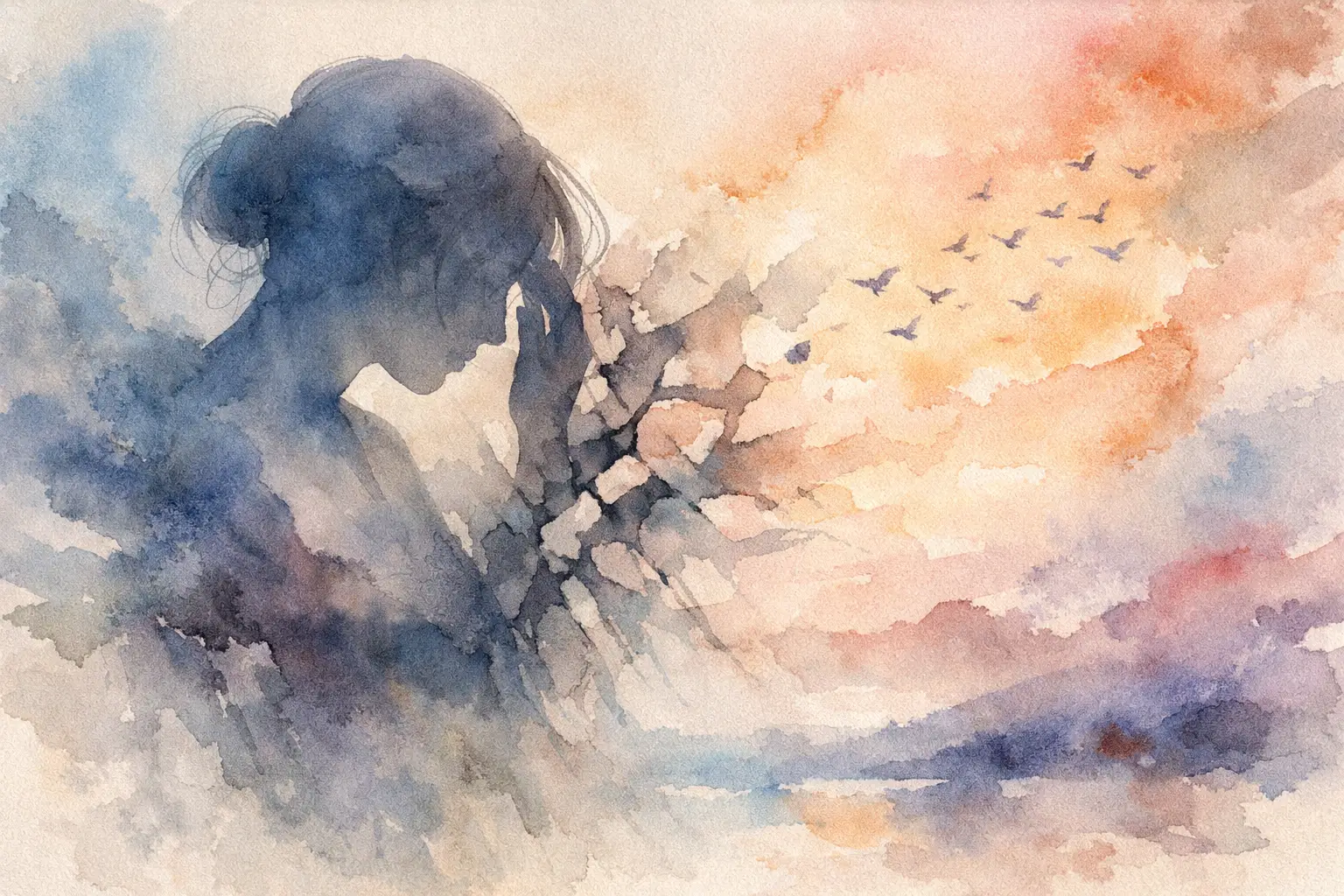
A difficult experience does not always stay in the past simply because life has moved on. You may be working, caring for others, maintaining relationships and appearing to cope, yet still feel constantly on edge, disconnected or overwhelmed by situations that seem minor. Symptoms of unresolved trauma can be subtle, change over time and affect people in very different ways.
Trauma is not defined only by what happened. It is also shaped by how safe, supported and able to cope you felt at the time. A serious accident, abuse, bereavement, violence, neglect, a controlling relationship, a frightening medical event or repeated experiences of criticism and rejection can all leave a lasting impact. There is no need to compare your experience with anyone else’s in order for it to deserve care.
What unresolved trauma can look like
When an experience has not been fully processed, the mind and body may continue responding as though danger is close. This is not a weakness or a failure to ‘get over it’. It is a protective response that may once have helped you survive or cope.
For some people, the effects are obvious soon after the event. For others, they emerge months or years later, perhaps after a new loss, a change in circumstances, becoming a parent, a relationship conflict or a period of stress. The connection is not always immediately clear.
Feeling constantly alert or easily startled
You may scan rooms, struggle to relax, notice every noise or feel uneasy when someone stands too close. Small disagreements can trigger a powerful rush of fear, anger or panic. Sleep may be light and disrupted, with nightmares, waking early or a sense that your body never fully switches off.
This heightened alertness is sometimes called hypervigilance. It can be exhausting, particularly when it affects work, family life and your ability to enjoy ordinary moments.
Avoidance that gradually narrows life
Avoidance can mean steering clear of people, places, conversations or media that bring back difficult feelings. It can also be less visible: staying busy, overworking, using alcohol or other substances to numb emotions, or avoiding rest because stillness feels uncomfortable.
Avoidance often brings short-term relief, which is why it can become a strong habit. Over time, however, it may make life feel smaller and reinforce the sense that certain feelings or situations are impossible to manage.
Intrusive memories and emotional flashbacks
Some people experience vivid memories, images or nightmares that feel as though the event is happening again. Others have emotional flashbacks. There may be no clear visual memory, but a sudden wave of terror, shame, helplessness or rage takes over the present moment.
A smell, song, tone of voice, anniversary or facial expression can act as a trigger. You might understand logically that you are safe, while your body reacts as if you are not. That gap between what you know and what you feel can be confusing and frightening.
Symptoms of unresolved trauma are not always obvious
Not everyone responds to trauma with fear or visible distress. Some people become emotionally numb, detached or highly self-reliant. They may say they feel nothing about what happened, while also finding closeness, trust or receiving support difficult.
Trauma can also show up through persistent self-criticism. You may carry a belief that you are unlovable, broken, responsible for other people’s behaviour or somehow to blame. These beliefs can shape choices long after the original circumstances have ended.
Physical symptoms may be part of the picture too. Headaches, digestive difficulties, muscle tension, fatigue, changes in appetite and unexplained aches can have many possible causes, so they should not automatically be attributed to trauma. A GP can help rule out physical health concerns. But when physical symptoms occur alongside anxiety, sleep problems or triggers, it can be useful to consider the role of stress and past experiences.
Relationships can feel harder than they should
Unresolved trauma can affect how safe relationships feel. You might expect rejection, become very anxious when someone is distant, find conflict intolerable or withdraw as soon as a relationship becomes close. Some people repeatedly put others’ needs first, while others feel compelled to stay in control at all times.
These patterns are understandable adaptations, not fixed personality traits. Therapy can offer a steady space to explore where they came from and practise different ways of relating, at a pace that feels manageable.
Shame, anger and low mood may cover the hurt
Trauma does not always feel like sadness. It may appear as irritability, bursts of anger, perfectionism, low confidence or a deep sense of emptiness. Depression and anxiety can develop alongside trauma, and some people experience panic attacks or periods of dissociation, where they feel unreal, distant from their body or unable to remember parts of a conversation.
It depends on the person, the nature of what happened, the support they had and what is happening in their life now. A single symptom cannot diagnose trauma. What matters is the overall pattern, the level of distress and whether it is limiting your life.
Why coping strategies can stop working
Many survivors become very skilled at functioning. They may be dependable, high-achieving, caring and outwardly calm. Keeping going can be necessary, particularly when there has been little space or safety to process what happened.
The difficulty comes when old coping strategies begin to cost more than they give. Perhaps you cannot sleep without drinking, you feel disconnected from those closest to you, or you are constantly anticipating something going wrong. A reaction that once protected you may no longer be serving the life you want to live.
Recognising this does not mean forcing yourself to revisit every detail. Effective trauma therapy is not about pushing someone to relive experiences before they are ready. It begins with safety, trust and understanding how trauma is affecting the present.
When it may help to speak to a therapist
You do not need a formal diagnosis to ask for support. Therapy may be helpful if difficult memories, anxiety, numbness, anger or relationship patterns are persistent; if you are using harmful coping methods; or if you feel that a past event still has too much control over your day-to-day life.
A trained therapist can help you make sense of your reactions without judgement. Approaches may include trauma-informed counselling, EMDR therapy or other psychological therapies, depending on your needs and history. The right approach is not always the fastest one. For some people, building stability and coping skills first is an essential part of the work.
At Self Horizons, therapy is offered in a private, supportive setting, with remote appointments available for people who find attending in person difficult. The aim is not to erase the past, but to reduce its hold on the present and help you feel safer in yourself.
If you are having thoughts of harming yourself or someone else, feel unable to keep yourself safe, or are in immediate danger, seek urgent help through emergency services, your GP, NHS 111 or a crisis service in your area.
Taking the first gentle step
You do not have to have the right words, a complete memory or a clear explanation before seeking help. It can be enough to say, ‘Something from the past still affects me, and I do not want to carry it alone.’ With compassionate, professional support, difficult experiences can become part of your story without continuing to dictate how you live it.